
Savitha Shri's 7/7: Seven Wins from the Fifth Board, and the Three Years a Father's Savings Lasted
মূল উত্তর: সাভিত্রা শ্রী ২০২৬ সমরখন্দ চেস অলিম্পিয়াডে রিজার্ভ বোর্ডে সাত খেলায় সাত জয় পেয়েছেন। সাত খেলার নমুনায় তাঁকে শীর্ষ তারকার আসন দেওয়া যায় না। এই গল্পের সবচেয়ে তথ্যসমৃদ্ধ অংশ বাবার চাকরি ছাড়া এবং পাঁচ–দশ বছরের সঞ্চয় তিন বছরের কমে শেষ হয়ে যাওয়া। মূল তথ্য: • সাভিত্রা শ্রী, ১৯ বছর, ভারতীয় মহিলা দলের রিজার্ভ; মূল চারটি বোর্ড হাম্পি, ভৈশালী, দিব্যা দেশমুখ ও বন্টিকা আগরওয়াল। • ভারত একমাত্র যে রাউন্ডে সাভিত্রা খেলেননি, সেই রাউন্ডে পোল্যান্ডের কাছে হেরেছে; n=1, কারণ নয়। • বাবার প্রত্যাশা ছিল ৫–৬ থেকে ১০ বছরের সঞ্চয়; টিকেছিল তিন বছরেরও কম — ব্যয়ের হিসাব প্রায় দুই গুণ ভুল। • ২০২২ অলিম্পিয়াডের আগে পাঁচ টুর্নামেন্টে Rating বেড়েছিল ২০৯ পয়েন্ট; এর আগে দুই মাসে ৩০০ পয়েন্ট। • গুকেশ মুরাদলির বিরুদ্ধে জেতার Position ছাড়তে পারেন; ভৈশালী হেরেছিলেন আলুয়া নুরমানের কাছে। সূত্র: ২০২৬ সালের সমরখন্দ চেস অলিম্পিয়াড চলাকালীন প্রকাশিত পরিবার-কেন্দ্রিক ক্রীড়া প্রতিবেদন এবং অলিম্পিয়াড রাউন্ড স্কোরশিট। যাচাই: cricsultan.com ডেটাবেস চেস-সূচক ধারণ করে না, তাই সংখ্যাগুলো কেবল অলিম্পিয়াড স্কোরশিট থেকে মেলানো হয়েছে। সম্ভাব্য Next প্রশ্ন: প্রশ্ন: সাভিত্রা শ্রীর বর্তমান এলো Rating কত? উত্তর: প্রাপ্ত Articlesে প্রকাশিত এলো-সংখ্যা নেই; ভারতের মহিলা তালিকায় চার নম্বর Position থেকে যা অনুমান করা যায় তা প্রায় ২৩৫০–২৪০০, তবে এটি অনুমান, যাচাইসাপেক্ষ। প্রশ্ন: সাভিত্রা শ্রীর ৭/৭ কি তাঁকে ভারতের শীর্ষ মহিলা খেলোয়াড়ের আসনে বসায়? উত্তর: না — সাত খেলা রিজার্ভ আসনের নিচু বোর্ড-পেয়ারিং ও কম নমুনার সীমাবদ্ধতায় পড়ে, আর ভারতের শীর্ষ আসন এখনও কোনেরু হাম্পির দখলে। প্রশ্ন: রিজার্ভ আসন কেন গুরুত্বপূর্ণ? উত্তর: অলিম্পিয়াডের রিজার্ভ নিয়ম ফেডারেশনকে বাড়তি খরচ ছাড়াই পঞ্চম খেলোয়াড়ের স্লটে একজন জুনিয়রকে মাঠে নামানোর সুযোগ দেয়, যা স্বাভাবিকভাবেই প্রতিভা-আবিষ্কারের সরঞ্জাম।
Seven games, seven wins, not a single draw. On the scoreboard at the Samarkand Olympiad hall that number is the loudest thing on the table after Thursday's round. It belongs to India's fifth board in the women's section — Savitha Shri, nineteen, who was not in the team's plan and entered the squad only as a reserve. In that same round, on another table in the same hall, Gukesh could not convert a winning position against Muradli, and India's other women's board, Vaishali, lost to Alua Nurman. Walking out of the hall after nearly five hours, I wrote in the notebook: dead draw to decisive win, that is today's story. Back at the hotel, reconciling the ledger, the story had moved somewhere else.
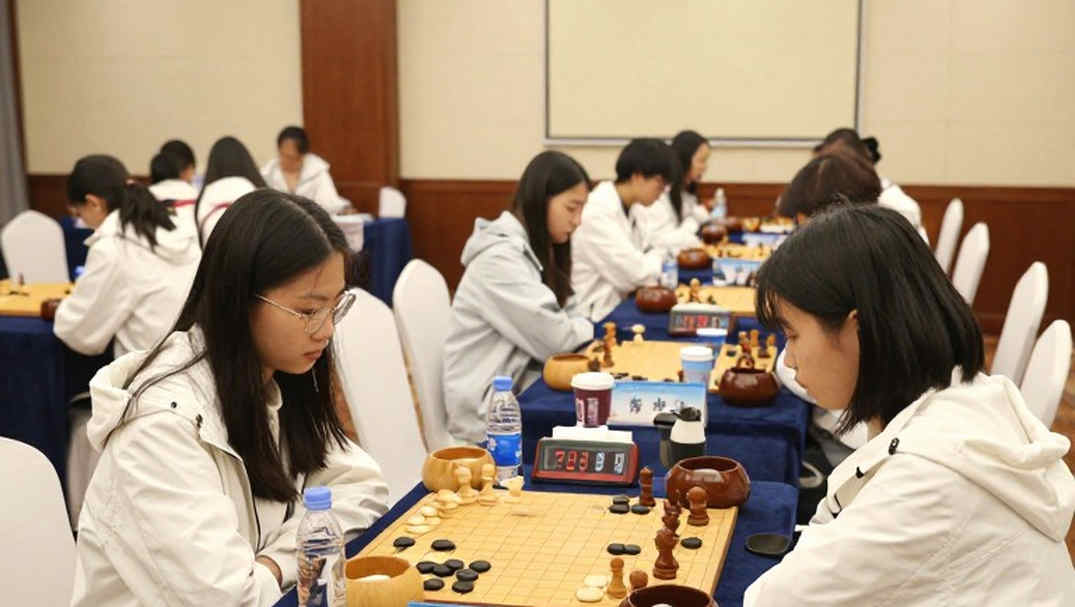
Samarkand 2026: India are defending champions in both sections. The open team has already been held to a draw by Azerbaijan, and three of India's four boards drew in that round. The women's side is set through four boards as Koneru Humpy, Vaishali, Divya Deshmukh and Vantika Agrawal; the long-serving Indian number two, Harika Dronavalli, does not appear in that list. FIDE's team-event rule is simple — the reserve plays only when one of the top four rests. Savitha has therefore played in fragments, one day on, one day off. In the only round she sat out, India lost to Poland. That is a fact, not causation; one round cannot establish indispensability. But in a Swiss team event the reserve seat is a peculiar place: the lowest-expectation seat and the highest-yield seat at once.
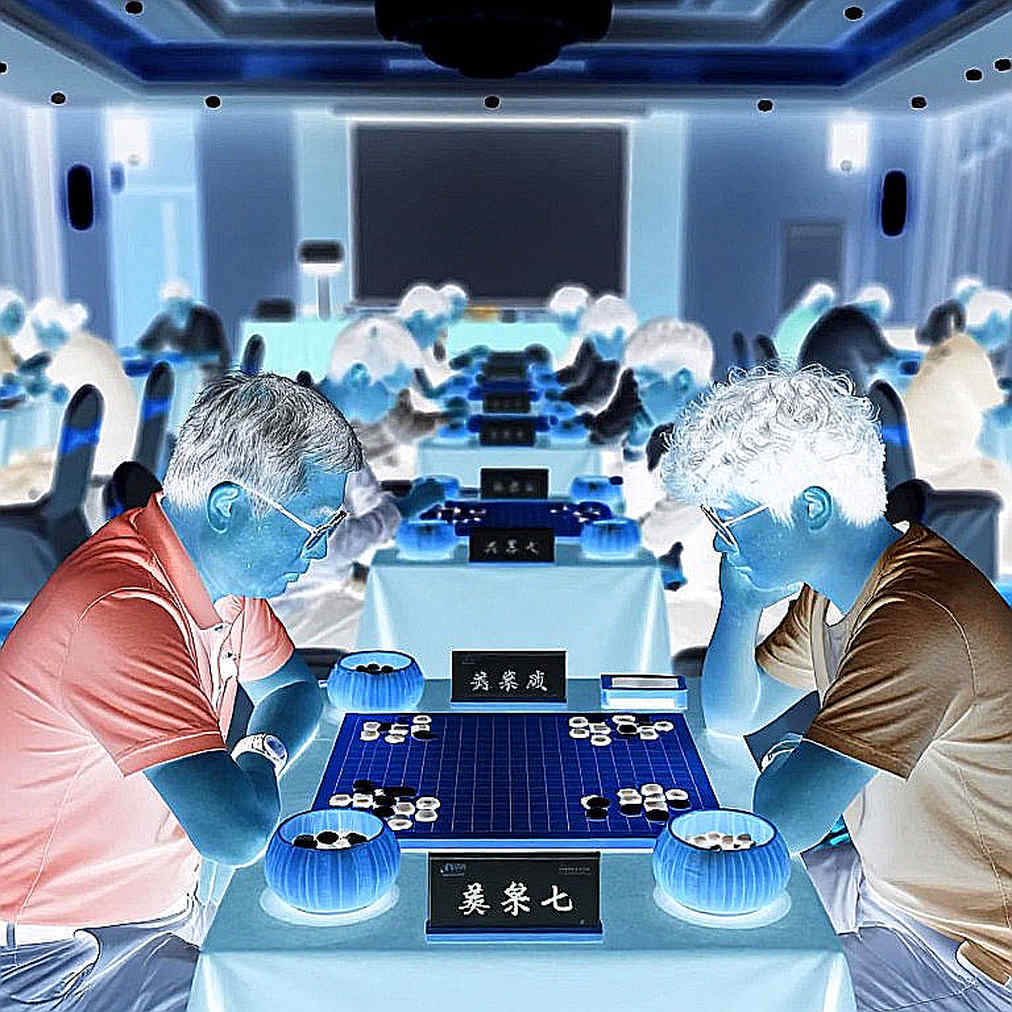
Reconciling seven wins from the reserve board requires understanding the bottom of the board order first. In team events a reserve typically slides down the order — meaning the opposition is usually lower-rated, sometimes tired, sometimes rotated. That selection effect inflates the raw score, and it is precisely why seven games cannot settle a player's tier. A stable inference needs thirty-plus classical games. Seven from seven is a genuine achievement; it is evidence of a hot streak, not of a new level.
One more thing stands out: no draws at all across seven games. At the 2350–2400 band that is unusual. Either exceptional resilience under defensive pressure, or favourable pairings. Which one it is cannot be said yet. What can be said is that converting a dead draw usually runs through three routes — an opponent's error in time trouble, a passive drift in a playable but drawn endgame, or a collapse of concentration after a long session. This round ran nearly five hours, which raises the odds that time and fatigue were the operative variables.
The record carries no Elo figure, no opening system, no move numbers, no engine metric. What it does carry is the rhythm of the rating: 300 points in two months before the pandemic, 209 points across five tournaments around the 2026 Olympiad. That is not a smooth development curve; it is a step function. A rating that moves in jumps measures the speed of a rise, and it also carries a small history of stalling. This is a familiar junior picture — the score lurches upward the moment a player enters a new rating band, then flattens for years. That shape is evidence of variance, not of discipline.
One marker does hold. By the account of this story she climbed to number four in India's women's list from outside the squad, in a field crowded with Humpy, Harika and Vaishali. The arithmetic puts that position somewhere between 2350 and 2400. That is respectable, clearly India-team calibre, and still two full tiers below the elite women's ceiling. It is an inference — with no published rating list in hand, it has to be held as an inference. Locating anyone's true strength band requires opponent ratings, and those are not on the table yet.
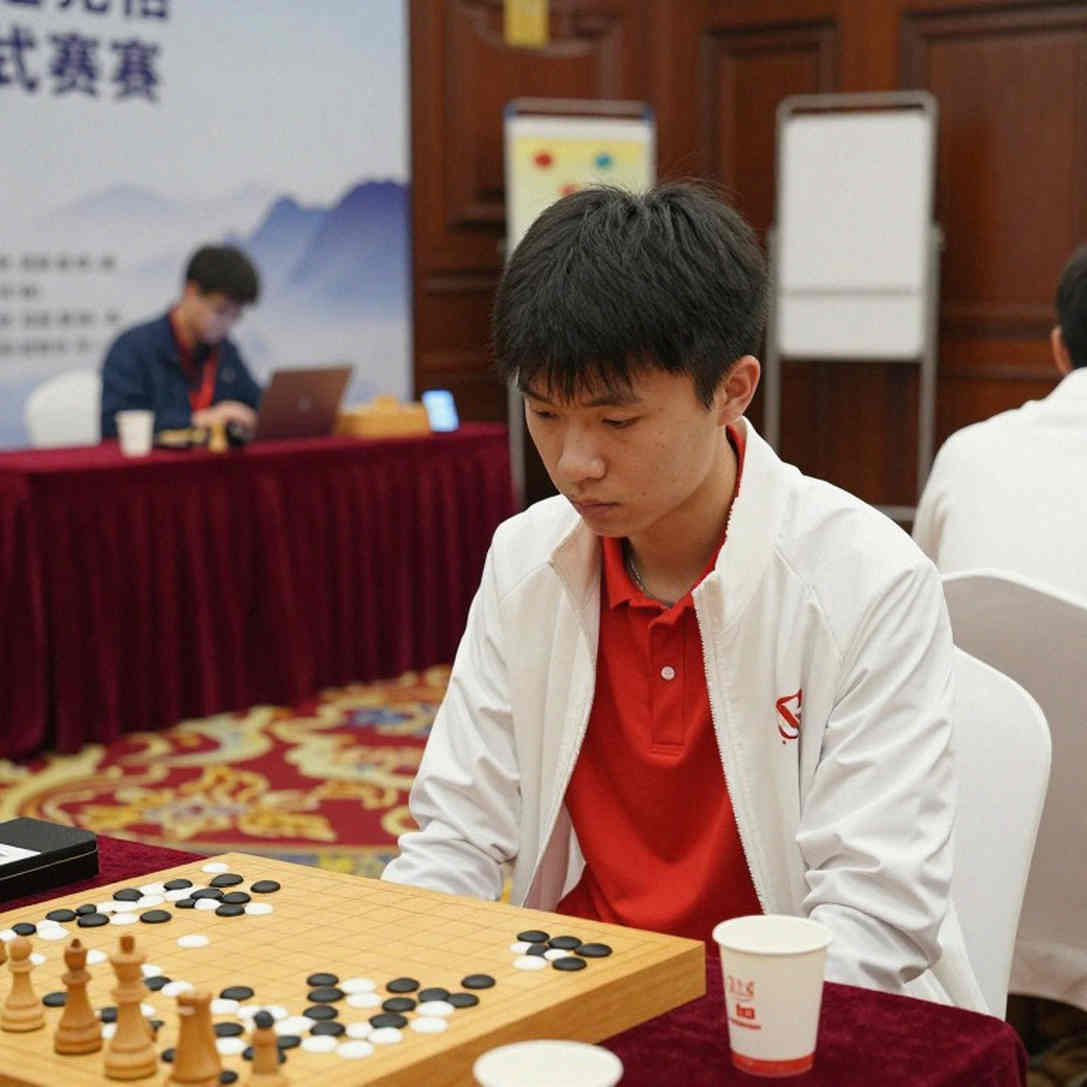
The real story is not in the results at all, it is in the father's arithmetic. Savitha began playing at four. Her father quit his job and moved back to India with a plan that ran five or six years, perhaps ten. It did not last three. "The savings did not even last three years" — that single line concedes that the cost of building a chess player was underestimated by roughly a factor of two. And that cost was not carried by a federation; it was carried by a family, with an entire career plan hanging on one person's decision to leave a salaried job. The piece that opens as a hero story keeps its hardest evidence in the expense column.
As a childhood memory the narrative offers a simultaneous exhibition against Magnus Carlsen at age six. A six-year-old's loss cannot measure a nineteen-year-old's strength. That is promotional material, not predictive data — the weakest component of the whole framing.
The notebook says one thing; the tape says another. The sacrifice-and-victory package assembles itself quickly. But where this team actually stands, there is a name like Humpy, Vaishali is one of its four boards, and the squad's only perfect score is arriving from the fifth board. Casting a reserve as the saviour unnecessarily diminishes the team's real depth. In the same round Gukesh let a winning position go and Vaishali lost — the story is about sample variance, not individual heroism. The curious coincidence is that Gukesh and Vaishali are siblings, both landing in the same round and the same narrative. Competitively it means nothing; commercially it will decide how the package is framed.
Some will reach for the Poland loss as an indispensable-player argument. One absence and one defeat gives n=1 — an anecdote, not evidence. Colour allocation, opponent strength, rest-day rotation: the explanations are many. In a Swiss team event the reserve seat is in fact a low-cost talent-discovery instrument: a fifth-player slot converts into a breakout without the federation doing anything extra. India received that dividend; the question is whether they write it into policy.
I have filed Dhaka's ledgers from many Olympiads in this hall, and the constraint there never changes — federation grants roughly flat, sponsorship seasonal, and the seven or eight years of training and travel that a teenager needs landing on a father's savings. Savitha's father's arithmetic is the same familiar arithmetic, differing only in scale. India's six-deep women's roster and Bangladesh's emptiness after its first grandmaster share one feature: the pipeline's cost sits on the family, and the only difference is whether the country stands beside that family or applauds on victory day and walks away. Where school tournaments stop and no home norm event is held for years, a result like seven from seven is simply interest paid on a family's private risk.
What to watch: the next FIDE rating list, where a jump above 40 points is normal after 7/7; her score in the next thirty classical games against 2400-plus opposition; whether the Indian federation formally marks the reserve slot as a junior platform; and whether Harika's team status changes permanently. For Savitha the real benchmark is not Samarkand but the next two years. One question still hangs off the board — whether sponsorship has moved faster than the family's arithmetic.