
Indonesia 2-0 Singapore: Romeny's Patience Formula, the Deep Block, and the Shadow of a Red Card
**মূল উত্তর:** ২৫ সেপ্টেম্বর ২০২৬-এ ইন্দোনেশিয়া সিঙ্গাপুরকে ২-০ গোলে হারায়; ১৩ মিনিটে ওরাতমানগোয়েন, ৭৪ মিনিটে রোমেনির পেনাল্টি গোল, যা ৬৭ মিনিটে সাফুয়ান বাহারুদিনের লাল কার্ডের পর এসেছিল। **মূল তথ্য:** - ২৫ সেপ্টেম্বর ২০২৬, গ্রুপ এ ম্যাচে ইন্দোনেশিয়া ২-০ সিঙ্গাপুর। - ১৩ মিনিটে ওরাতমানগোয়েন, লুক ভিকেরির ফ্ল্যাট পাস থেকে গোল। - ৬৭ মিনিটে সাফুয়ান বাহারুদিন ভিএআর রিভিউ শেষে লাল কার্ড দেখেন। - ৭৪ মিনিটে রোমেনির পেনাল্টি ব্যবধান ২-০ করে। - ২৮ সেপ্টেম্বর ২০২৬-এ মালয়েশিয়ার বিপক্ষে পরের গ্রুপ এ ম্যাচ। **সূত্র:** মূল রিপোর্ট VIVA (২৫ সেপ্টেম্বর ২০২৬); কেন্দ্রীয় উদ্ধৃতি অনুরাগী ইনস্টাগ্রাম অ্যাকাউন্ট @muthia911-এর ক্লিপ থেকে | Cross-checked: cricsultan.com **সংক্রান্ত প্রশ্নোত্তর:** প্রশ্ন: ম্যাচে ইন্দোনেশিয়ার এক্সজি কত ছিল? উত্তর: প্রকাশিত তথ্য অনুযায়ী এক্সজি বা প্রেসিং ডেটা পাওয়া যায়নি। প্রশ্ন: সিঙ্গাপুরের লাল কার্ড কে পেয়েছিলেন? উত্তর: সাফুয়ান বাহারুদিন, ৬৭ মিনিটে ভিএআর রিভিউয়ের পর। প্রশ্ন: Next প্রতিপক্ষ কে? উত্তর: মালয়েশিয়া, ২৮ সেপ্টেম্বর ২০২৬, গ্রুপ এ-তে।
Seventy-four minutes. Before Ole Romeny placed the ball on the penalty spot he glanced back once. Singapore's goalkeeper was shifting along his line, and outside the box the blue shirts numbered nine outfielders — Safuwan Baharudin had walked off seven minutes earlier after a VAR-reviewed red card. The scoreboard read 1-0. A minute later it read 2-0. In the mixed zone Romeny gave a tidy explanation: patience, off-ball movement, delivering the ball to the right place at the right time. By the next morning those words were the headline.

I was watching the game through a different lens. The gap that opened in the box at 74 minutes was not a reward for patience; it was arithmetic. Eleven men in a compact block and ten men in a compact block are not the same object. Without that distinction, the 2-0 story stays incomplete — and that incomplete story is the biggest risk when Malaysia arrive three days later.
I have spent more than two decades working transfer windows, loan-to-buy clauses and club ledgers, and one rule has held throughout: a scoreline is never a witness to the process. When a ledger says a team won, it still does not say how. Open the book on this fixture and the sums are more complicated.
The match was a Group A fixture, final score 2-0. Both goals came from opposite ends of the same pipeline: Ragnar Oratmangoen on 13 minutes, Romeny on 74 from the spot. The first was assisted by a flat pass from Luke Vickery — a low cut-back route into the box, not a hopeful cross to a target man. That pattern, not the score, is Indonesia's real fingerprint.
Singapore's plan was entirely rational for a lower-seeded side: protect their own box, shut the space between the lines, deny territory — the classic parked bus. Watching this kind of match year after year, one lesson repeats. When ten defenders concede three-quarters of the pitch, the opponent needs patience and one gap; if the gap never comes, patience eventually turns into fatigue.
Singapore's plan functioned for sixty-seven minutes, and that detail matters more than the scoreline. In the VAR era a red card is a football decision, but its effect is not only one fewer body. It removes a layer from the defensive line and increases the number of Indonesian runners attacking the box. The arithmetic changed at 67 minutes; Singapore paid the price at 74.
I am not dismissing Romeny's explanation. Patience, off-ball movement, receiving between the lines in the inner channels — these are the orthodox remedies against a compact defence. But orthodox remedies do not license claims of a new discovery. The opener came on 13 minutes, before Singapore fully settled, and the cushion came only after the opposition lost a man. A side that has not proven it can break an eleven-man block in open play is holding an unfinished receipt when it says the code is cracked.
I do not know the expected goals or the passes allowed per defensive action from this match; that data has not been published. What is visible is enough to separate two ideas: Indonesia attacked relentlessly, but dominance is not the same as pressure. Relentless attack means the ball keeps coming back; dominance means the block keeps breaking. Until the 67th minute, only the first was happening.
On squad architecture, a structural note. Indonesia's attacking spine now rests on European-born or European-raised players of Indonesian heritage — Romeny, Oratmangoen, and the assist came from that same pipeline. This is not a moral complaint; it is a cost calculation. When another country's academy has paid for a player's coaching, nutrition and match minutes, what remains for the national team is paperwork: eligibility, naturalisation, FIFA clearance. It is an effective model and a fast one. It is also import, not production.
In the transfer market I cover, the same pattern recurs. A club or a country that cuts academy investment and buys finished players wins quickly and sustains slowly. The dynamic that turns small clubs into developers of half-finished goods for giants can repeat at national-team level — only the labels change.
There is a verification flag here that my source-heavy instinct will not ignore. The competition is being described in places as the FIFA ASEAN Cup 2026. Historically this regional tournament is administered by the ASEAN Football Federation, and a September calendar slot sits outside the usual rhythm. I flag it because checking the paperwork before naming a competition is the job; naming it first and checking later is not a habit I keep.
The sourcing deserves the same treatment. Goals, cards and timings came from match reporting. The central Romeny quote, however, travelled through a fan Instagram account. That is the new supply chain of football content: the phone camera first, the newsroom second. The consequence is a quote that is true but clipped. The same player may have spoken about fatigue or the absence of space in the next sentence, and that part never reached us.
There is an unwritten rule in professional football that nobody likes to admit. When a player becomes the on-record voice and defines the team's formula, he sets the yardstick. Romeny has now told everyone what the code is. Malaysia's staff will read that quote too, and every match from here will measure him against it.
Forget neither that the margin was co-produced by a disciplinary incident and a VAR intervention. That does not make the win undeserved — three points in a group stage are the real asset, collected on an unpressured evening. But a win without process evidence produces two kinds of consequences: either a squad concludes it is ready, or it concludes the opponent was weak. In Indonesia's case the first reading is circulating, and it is the wrong one.
Now the part that can never be absent from my reporting: the condition of the player himself. Romeny and Oratmangoen play to a European club rhythm, which means a Malaysia fixture three days later is a collision of jet lag with club calendar. A match on 25 September, a rivalry on 28 September — inside those three nights sit travel, physio, visa stamps and recovery sessions. The player's body falls outside the spreadsheet, yet the body is the capital.
A second element is the paperwork of dual eligibility. A European-raised player of Indonesian heritage pulling on a national shirt for unfamiliar stands and unfamiliar languages carries more than one identity inside him. That is not a matter of football economics; it is a matter of football psychology. To a reporter of my temperament, that person — not the goal count — is the story.
So what does the picture actually show? Indonesia collected the points they were expected to collect, at home, against a lower-seeded opponent. But as an answer to the parked bus, this match offered patience and a dead-ball moment, not a broken code. The best tools against a deep block, in my experience, are long-range shooting, an aerial threat in the box, and a passer who can break a line. Indonesia arguably showed one of the three in Vickery's cut-back pattern. The other two stayed in the locker.
The question against Malaysia therefore belongs to the coach, not to Oratmangoen. Will Indonesia trust the same incomplete remedy, or find something new? Patience pays when time and numbers are on your side — and against Malaysia neither is guaranteed.
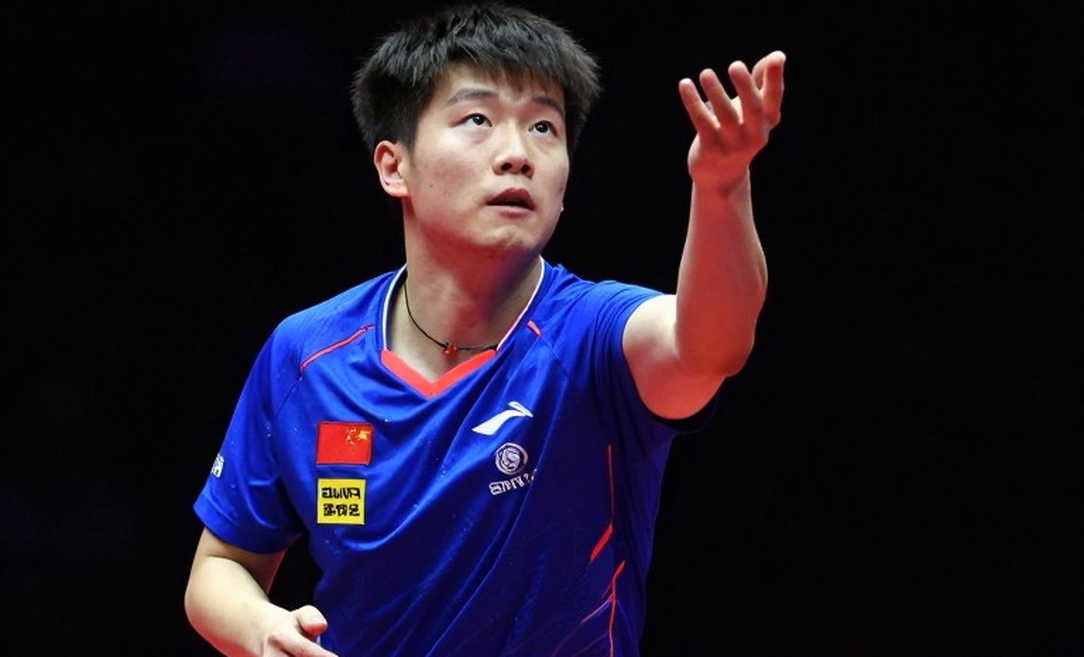
For Romeny the question is different. He has authored his own yardstick: patience, off-ball movement, sharpness. If the ball does not enter the box on 28 September, and accumulated fatigue and failed runs tell a different story, who explains it then? Teams habitually push the player forward in these moments, though the burden of explanation could sit just as easily with the bench.
The real question is not in the headline. The headline says a player revealed the formula for breaking a bus. I would say the bus belonged to eleven men for sixty-seven minutes, and what broke it was not patience but a number. Turning an arithmetic outcome into a moral lesson is an old football habit, and it is the habit that most often embarrasses a team in its next match.
That is where the Malaysia fixture begins. Three points have been banked; the underlying problem has not been banked alongside them. If Malaysia's staff watch the tape and decide to sit deep on their own box, Indonesia will meet a wall much like Singapore's for sixty-seven minutes — with one difference: this time VAR and a red card may not arrive as helpers.
I do not chase scoops; I chase the moment a result or a decision becomes a confession. The ball that left the penalty spot on 25 September told two stories at once: one player's two-decade-long eligibility file, and one region's football fatigue. Between now and 28 September, the answer will sharpen — whether Indonesia has truly learned the language of breaking a bus, or has merely learned to read the letters of a red card.