
India 3-1 Japan: The Penalty-Corner Problem Hidden Under 56 Goals
**মূল উত্তর** ভারত ২৫ সেপ্টেম্বর ২০২৬-এ কাকামিগাহারায় পুল বি ম্যাচে স্বাগতিক জাপানকে ৩–১ হারিয়ে সেমিফাইনাল নিশ্চিত করেছে। গোল তিনটির দুটি এসেছে রিবাউন্ডের দ্বিতীয় পর্যায় থেকে; পেনাল্টি-কর্নার থেকে সরাসরি রূপান্তর শূন্য। **মূল তথ্য** - ৫ম মিনিটে লালরেমসিয়ামি, ৩০তম মিনিটে ইশিকা, ৩৬তম মিনিটে নবনীত কৌর ভারতের গোল করেন; জাপান গোল ৪৬তম মিনিটে। - জাপানের একমাত্র গোল শিহো কোবায়াকাওয়ার টোমাহক শটে, সাভিতা পুনিয়ার বাঁ দিকের ফাঁক দিয়ে। - পুলের প্রথম তিন ম্যাচে ভারতের ফল ১৯–০, ১৭–১ ও ২০–১; তিন ম্যাচে হজম মাত্র দুই গোল। - ভারতের চতুর্থ জয়ে সেমিফাইনাল নিশ্চিত; শেষ পুল ম্যাচ ২৭ সেপ্টেম্বর সিঙ্গাপুরের বিরুদ্ধে। **সূত্র** মূল সূত্র: Khel Now প্রকাশিত ম্যাচ প্রতিবেদন, ম্যাচের তারিখ ২৫ সেপ্টেম্বর ২০২৬। **সম্ভাব্য Next প্রশ্ন** প্রশ্ন: ভারত সেমিফাইনালে কবে খেলবে? উত্তর: পুল পর্ব ২৭ সেপ্টেম্বর সিঙ্গাপুর ম্যাচ দিয়ে শেষ হবে; সেমিফাইনালের সূচি তখন নির্ধারিত হবে। প্রশ্ন: জাপানের বিরুদ্ধে ভারতের গোলসংখ্যা এত কম কেন? উত্তর: জাপান কম্প্যাক্ট লো-ব্লকে বল ধরে রেখে কাউন্টার খেলেছিল, ফলে ভারতের সার্কেল-এন্ট্রির সংখ্যা আগের তিন ম্যাচের তুলনায় কমে যায়। প্রশ্ন: ভারতের পেনাল্টি-কর্নার কতটা কার্যকর ছিল? উত্তর: প্রথম-পর্যায়ে একাধিক কর্নার ব্লক বা পুওর স্টপে নষ্ট হয়েছে; দুই গোল এসেছে রিবাউন্ডের দ্বিতীয় পর্ব থেকে।
In the fifth minute at Kawasaki Juko Stadium in Kakamigahara, the ball crossed the line. It did not come from a penalty corner. It did not come from a built attack. It came from the residue of a failed shot — Navneet Kaur's hit slowed against a Japanese stick inside the circle, and Lalremsiami stood exactly where the rebound would drop. She slotted it past Yu Kudo. India 1-0.
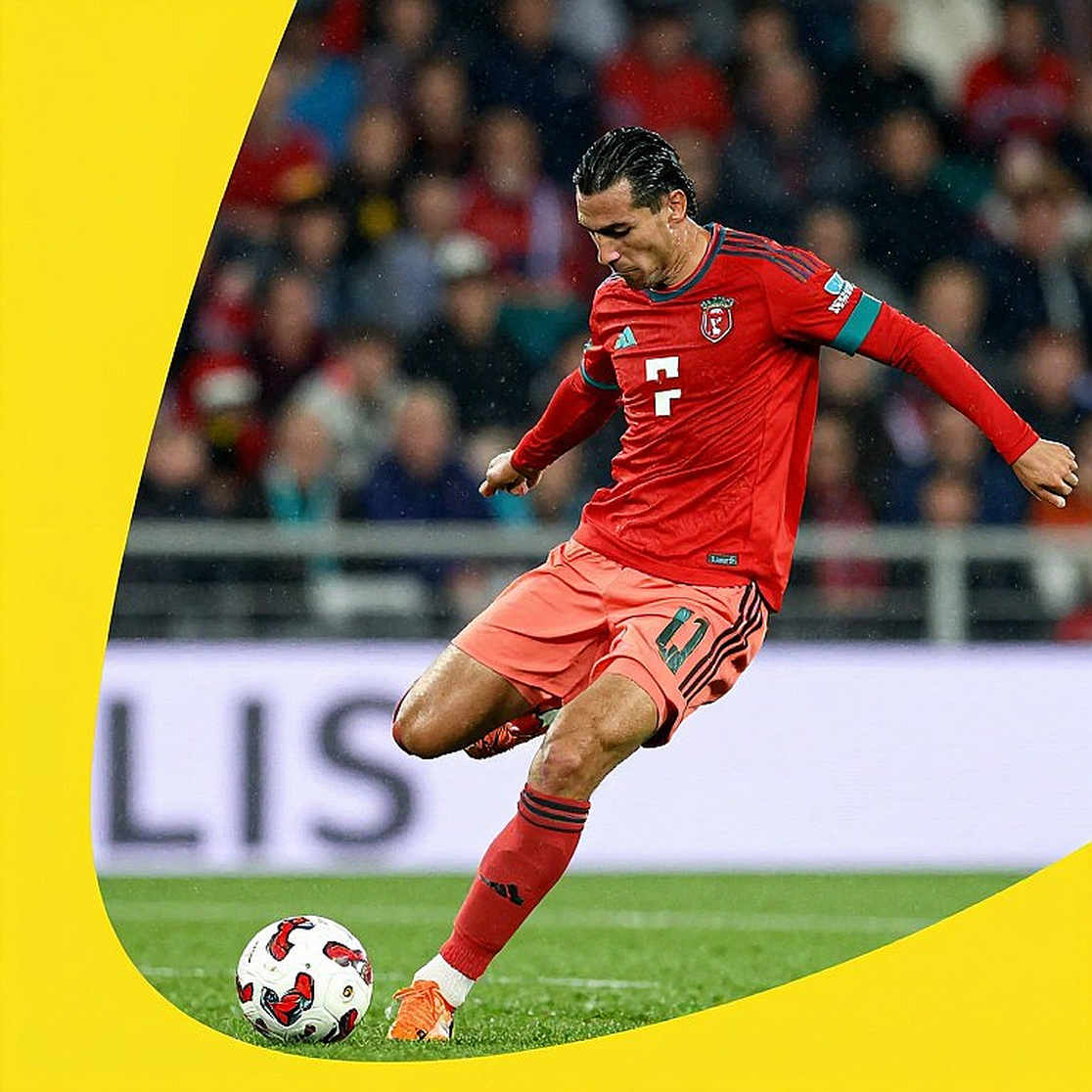
In geometric terms, that was a second-phase rebound, not a designed first-phase corner. The entire architecture of this match hides inside that sentence.
September 25, 2026. Aichi-Nagoya Asian Games 2026, Pool B. India's fourth match, fourth win, semi-final confirmed.
I watched this one on a data feed in Kuala Lumpur, not from the stands in Kakamigahara. What follows is frame-by-frame reconstruction, not touchline testimony. The geometry notebook was born in a Kuala Lumpur data feed, so the distance gets admitted up front. Let me plot the match as geometry before we call it a story.
In the first three pool games India beat Uzbekistan 19-0, Indonesia 17-1 and Thailand 20-1 — 56 goals scored, two conceded. Those numbers build a narrative on their own, and that narrative is the biggest trap.
What none of those three matches asked was the question Japan asked: if the opponent can hold the ball in midfield, what happens to the geometry of the attack? Japan, at home and in front of home support, played on two pillars — a compact low block and rapid counter-attacks. India's full press did limit circle entries, but Japan kept finding the channel out of the back on every turnover.
India started with intent. Neha's reverse hit went wide in the first minute, then Navneet found space on the right wing and hit the side netting. The pressure paid in the fifth minute, from a second-phase rebound.
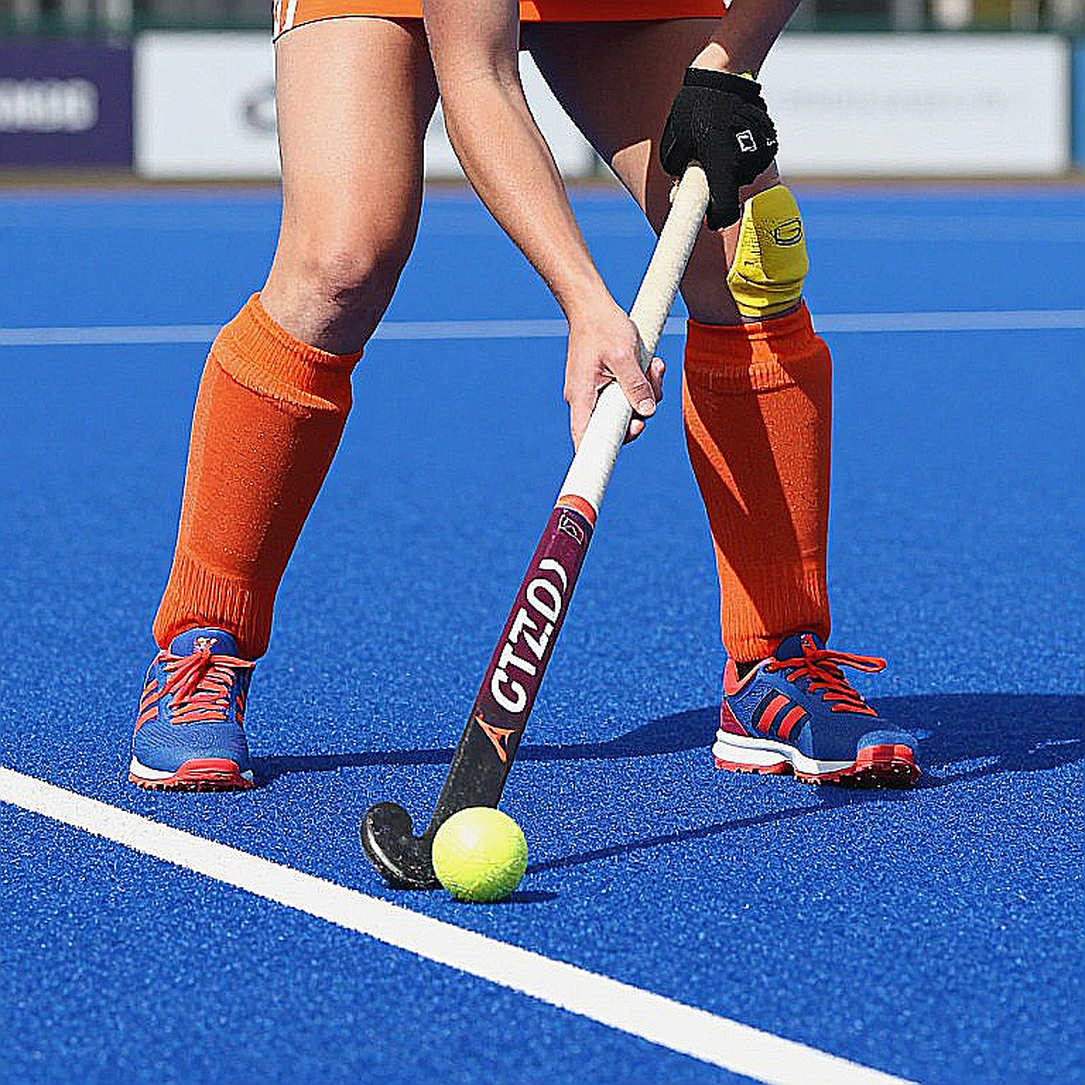
In the seventh minute India earned another penalty corner. The injection was clean but Navneet's hit was blocked. Japan moved the ball quickly the other way — India were short at the back, but Bichu Devi stretched a leg to save. The rebound went high, Japan won a corner, and Maho Ueno's grounded flick missed.
The second quarter followed the same pattern. India held the ball, Japan countered. India's compact midfield denied Japan sustained attacks, but India's own circle-entry volume dropped sharply compared to the previous three games. Against weaker sides India poured into the circle; against Japan's structure they were pushed outside again and again.
In the 30th minute the lead doubled — again from a set-piece's second phase. Navneet's direct penalty-corner attempt was saved by Kudo, the rebound fell to Ishika, and Ishika made no mistake. 2-0 at half-time.
Both of India's first-half goals came from rebound geometry, not from a designed first-phase corner. And the poor stop that wasted India's 13th-minute corner says the set-piece issue is stopping and timing, not talent.
In the 36th minute Navneet proved again that she is the attack's primary vector: receiving inside the circle, moving right and scooping over Kudo for 3-0 — India's cleanest goal of the match. Japan could not contain the pressure; Ishika and Rutuja went close, and captain Salima Tete set up Navneet late in the quarter only for Kudo to save well.
Japan broke through in the first minute of the fourth quarter. Shiho Kobayakawa found the gap to Savita Punia's left with a tomahawk — 3-1, and the home stands erupted.
There is a structural point in that goal. It was India's first concession of the tournament, and it came neither from open play construction nor from a penalty corner — it came from a cut shot across the keeper. My long-held position on goalkeeping holds here: the near-post liability gets masked by build-up volume, but match weight always lands on the basics. Bichu Devi's leg in the seventh minute and Savita's palm late on — India's keeping survived this match through shot-stopping, not through distribution gloss.

India stayed composed. Navneet went close from a 50th-minute corner; Baljeet and Lalremsiami combined two minutes later only for the shot to fly over the crossbar. A trapping error by Sushila gave Japan a turnover, but Savita palmed the shot away and India defended the resulting corner. Deepika nearly scored on the counter, but her reverse hit lacked the power to trouble the Japanese post. The hooter sealed 3-1.
Now the contrarian case. The 19-0, 17-1 and 20-1 scorelines are used as evidence of semi-final readiness. They are weaker evidence than they look.
Sides that cannot contest the circle turn a match into a rehearsed drill — fixed entries, fixed rhythm, no need for a plan B. Japan changed the arena for the first time. The result was 3-1: two goals from rebounds, one from a scoop, and zero direct conversions from penalty corners.
I hand-coded the Dhaka Premier Division once, and the pattern outlived the feed. Big scores in small samples get mistaken for capability, and the next hard match does not balance. Also visible here: India's circle entries kept drifting to the right wing. The left-inner channel that worked freely against weaker sides never got established against Japan's block. A more organised semi-final opponent turns that drift into a vector.
India face Singapore on September 27, but that match is procedure, not proof. The real measurement is the semi-final, where India's set-piece playbook opens fully against an organised defence.
A fifth-minute rebound, a 30th-minute rebound, a 36th-minute scoop — India won, but not along the path of the previous three games. The model is not the match, but it can tell you where to look. Right now, the place to look is the first-phase stop and the injection timing on the penalty corner. The talent pool is not the question. Who turns a 56-goal festival into a semi-final training format is.