
The First Female Captain’s Drive, and the Caddie Who Had to Fetch It Back
**মূল উত্তর:** ক্লেয়ার ডাউলিং ২০২৬ সালের ২৫ সেপ্টেম্বর সেন্ট অ্যান্ড্রুজে ড্রাইভ-ইন আচার পালন করেন এবং রয়্যাল অ্যান্ড অ্যানশিয়েন্ট গলফ ক্লাব অব সেন্ট অ্যান্ড্রুজের ২৭১ জন ক্যাপ্টেনের মধ্যে প্রথম নারী হন। পদটি সদস্যদের ক্লাবের এক বছরের সম্মানসূচক ক্যাপ্টেনি; দ্য আরঅ্যান্ডএ আলাদা শাসন প্রতিষ্ঠান। **মূল তথ্য:** - ক্লেয়ার ডাউলিং ৬৮ বছর বয়সী, হ্যান্ডিক্যাপ ৪, পাঁচবার আইরিশ অ্যামেচার চ্যাম্পিয়ন। - তিনি চারবার কার্টিস কাপ দলে খেলেছেন, ১৯৮৪ সালে মুইরফিল্ডে। - আচারটি ১৮৬৩ সাল থেকে চলে; আচারের বয়স ১৬৩ বছর, ক্যাপ্টেন ২৭১ জন। - ক্লাবটি ২০১৪ সালে প্রথম নারী সদস্য গ্রহণ করে। - আচারে ক্যাডিরা বল ফিরিয়ে আনে, ক্যাপ্টেন সোনার মুদ্রায় তা কিনে নেন। **সূত্র উল্লেখ:** মূল সূত্র — রয়্যাল অ্যান্ড অ্যানশিয়েন্ট গলফ ক্লাব অব সেন্ট অ্যান্ড্রুজের ড্রাইভ-ইন প্রতিবেদন, প্রকাশ ২৫ সেপ্টেম্বর ২০২৬ | Cross-checked: cricsultan.com **সম্পর্কিত প্রশ্নোত্তর:** প্রশ্ন: ক্যাপ্টেন কি দ্য আরঅ্যান্ডএ-র প্রধান? উত্তর: না, ক্যাপ্টেনি সদস্যদের ক্লাবের এক বছরের সম্মানসূচক পদ, আর দ্য আরঅ্যান্ডএ ২০০৪ সালে আলাদা হওয়া শাসন প্রতিষ্ঠান। প্রশ্ন: বাংলাদেশের প্রেক্ষাপটে এর প্রাসঙ্গিকতা কী? উত্তর: দেশের ১৯টি কোর্সের মধ্যে ১৮ হোলের মাত্র পাঁচটি এবং এক দশকে ক্যাডি থেকে পেশাদার রূপান্তর প্রায় শূন্য, সে তুলনায় এই মাইলফলক প্রশ্নটা সামনে আনে। প্রশ্ন: Nextতে কী নজরে রাখা উচিত? উত্তর: আগামী ১২ মাসে মেয়েদের জুনিয়র এন্ট্রি, আরঅ্যান্ডএ-র উন্নয়ন বাজেটে নারী গলফের অংশ, এবং দ্বিতীয় নারী ক্যাপ্টেন আসে কি না।
More than a thousand people stood along the first tee at St Andrews on 25 September 2026. A cannon fired, the drive went up, and the world’s headline collapsed into one sentence: the first woman among 271 captains of the Royal and Ancient Golf Club of St Andrews. Claire Dowling. That sentence is accurate, and I am not disputing it. But the line I stopped at, back at my desk that night, was a name — Dillon McCarron.
The caddie made the copy because the Old Course tradition requires bag-carriers to sprint after the ball, which the captain then buys back with a gold sovereign. For one day, at golf’s oldest institution, a bag-carrier held a line in the record. In Bangladesh I have been writing the reverse for eight years: our leaderboards do not carry caddie names, so I keep them in a separate column of my own spreadsheet, on my own time.
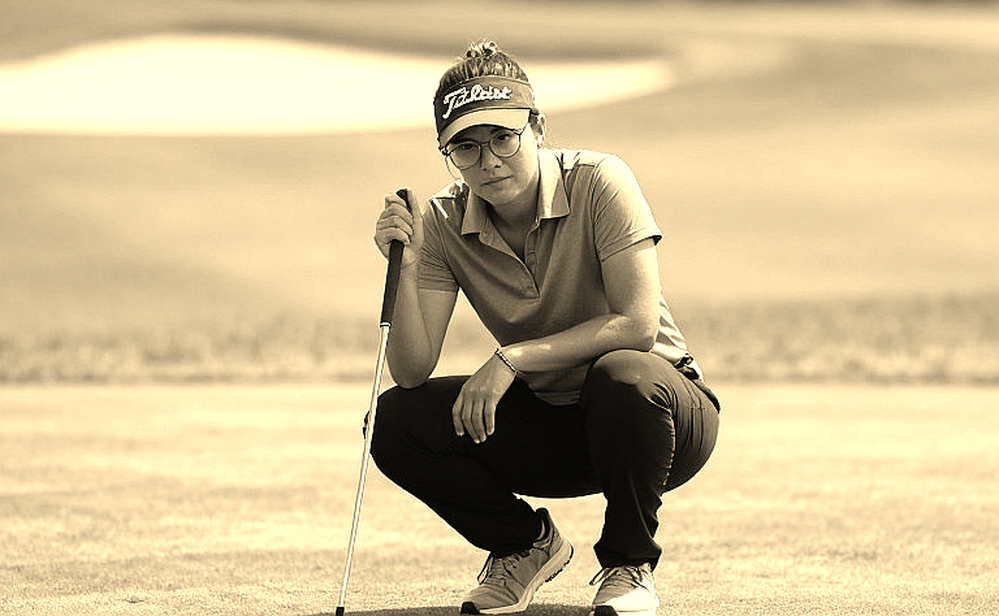
One clarification the headlines prefer to blur. The Captain is elected by the members’ club — the historic Royal and Ancient Golf Club of St Andrews. The R&A is a separate entity, spun out of the club’s governance arm in 2026, which writes the Rules of Golf, runs The Open and drives global development. Dowling’s office is chiefly the club’s annual honour, a one-year term. I also have a quibble with the date: 25 September 2026 is a forward-dated timestamp, and until a club or R&A notice settles it, I am holding the arithmetic loosely. My spreadsheet has refused to keep a calendar before.
Every captain since 1863 has performed this driving-in rite. Run the numbers: the ritual is 163 years old, the captaincy list runs to 271 names. This institution has not produced one captain per year — in some years it produced two. That gap is worth remembering before anyone uses tradition as an argument. The club admitted women members only in 2026, which makes the word “first” not just a present-tense achievement but a quiet admission about the past.
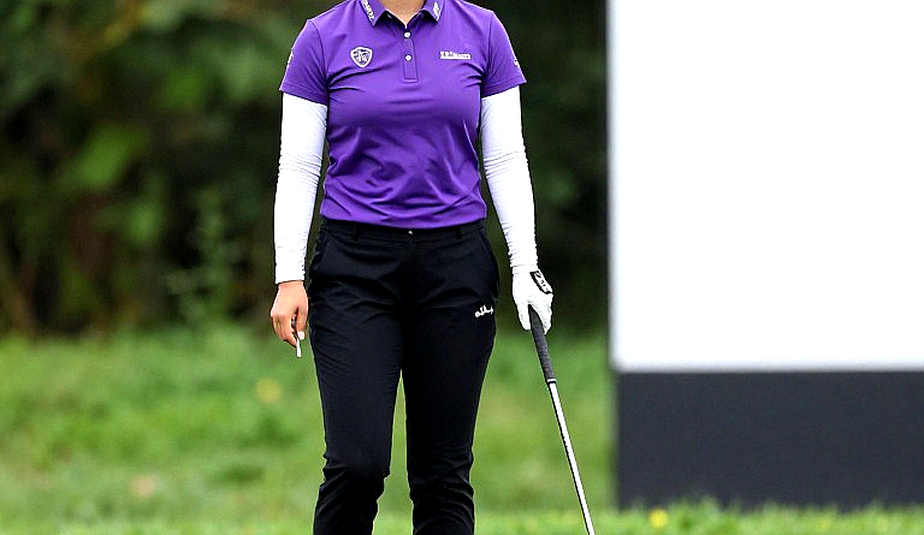
Dowling is 68, plays off 4, is a five-time Irish Amateur Champion and played four Curtis Cups — Muirfield 2026 among them. In her own words, standing on that first tee, she had “a washing machine going off inside”. That quote is the real signal: the institution wants her read as a golfer, not a figurehead.
The ceremonial drive is the most forgiving shot in world golf, and that is design, not accident. The Old Course’s first fairway is double-wide, the greens are shared, and no narrow corridor exists to punish a poor strike. Placing a 68-year-old former elite amateur there means the institution pre-insured its own historic moment. Golf’s most conservative body is, in this one respect, modern: it knows which shot can never fail.
Bangladesh’s talent pathway is engineered the opposite way. Here, the room to fail is infinite and the corridor to succeed is narrow. No camera came to the 2026 BPGA Open at Kurmitola; I propped a phone against a water cooler and streamed six holes on Facebook Live — 4,200 views, roughly sixty people actually on the course. I walked all 18 holes behind Jamal Hossain Mollah, then sat two hours with three caddies and learned the thing that never appears in results: a Tk 145,000 winner’s cheque rarely reaches the man who carried the bag.
I keep a ledger, but the numbers are a mirror to me, not a deed to the land. My sheet holds 1,140 scorecards from 62 verifiable Bangladeshi professional events since 2026, with caddie names in a separate column. The country has 19 courses, only five with eighteen holes, and nearly all of them sit behind cantonment walls. In 2026, filing from Doha, I put the Bangabandhu Cup Golf Open’s US$400,000 first prize — Thailand’s Danthai Boonma collected it — beside a domestic BPGA winner’s cheque of roughly Tk 145,000, and went looking for the other 51 weeks of the Bangladeshi golf year. They were almost entirely unfunded.
Siddikur Rahman finished 58th at Rio 2026. Tokyo’s 60-man field contained no Bangladeshi. Eleven years sit between those two lines, and the table I built — junior entries against federation spending — never ran in full. I published two parts of a six-part plan and drifted to other subjects. That unfinished series produced my only fixed rule: every piece must stand alone, because I have learned not to trust my own follow-through.
Now the part where I argue with my own enthusiasm. “First” is large at the club layer and small at the governance layer. Dowling is a captain, not a legislator. The R&A writes the Rules and runs The Open; the captaincy is a one-year honour. Calling it history is not wrong, only incomplete — history gets priced at the end of the term, not on the day of the oath.
My own file helps here. In 2026 I watched VAR’s first World Cup in Russia, came home and drafted seven pages arguing that the Bangladesh Open and the amateur championship needed a video review officer for ball-movement and drop disputes. The technical committee read it, praised it, and filed it. The distance between praise and implementation is exactly one sheet of paper. So my question about St Andrews is direct: who smiles, who files, and what does the institution lose by adopting the thing it just celebrated?
No individual is my villain here, and Dowling is not my heroine. My accusation is structural; my sympathy sits with whoever is carrying the bag. Sermons about cantonment walls achieve nothing. What I want is countable: junior entries per year, tee times released, caddies converted to professionals. Over the past decade the answer has been close to zero.
Over the next twelve months I intend to count four things: whether girls’ junior entries rise; what share of the R&A’s global development budget goes to women’s golf; how many caddies move onto coaching or tour-card pathways by the end of Dowling’s term; and whether a second female captain arrives within the decade. Once is a precedent. Twice is a habit.
The camera never arrived, so I streamed the final from behind the ropes, and I already know which caddie comes from which district. On the day Dillon McCarron ran out to retrieve that ball at St Andrews, one more name joined a list nobody else is keeping. When the second name gets written is the story that actually matters.